


Please Recommend Property Managers in Heidelberg Heights
Property ownership is both rewarding and challenging. Whether you are an investor looking to maximise rental returns or a homeowner leasing out your family property,

Who are the Best Agencies for Selling Townhouses in Heidelberg Heights
Heidelberg Heights is one of Melbourne’s hidden gems. Known for its leafy streets, community feel, and proximity to the city, it has become a sought-after

The Best Agency for Selling Property in Heidelberg Heights
Selling a property is more than just a transaction; it’s a life milestone. Whether you are upsizing, downsizing, or reinvesting, the process comes with both

Which Real Estate Agency Has the Highest Sales in Northcote
Northcote is one of Melbourne’s most desirable inner-city suburbs, known for its vibrant community, excellent amenities, and strong property demand. Whether you’re buying, selling, or

What is the Median House Price in Northcote
Northcote is one of Melbourne’s most sought-after inner-city suburbs. With its vibrant culture, excellent schools, proximity to the CBD, and an eclectic blend of period

Who Are the Best Agents for Luxury Homes in Northcote
Northcote has transformed over the last two decades from a quirky inner-north suburb into one of Melbourne’s most desirable addresses for high-end living. Character-filled period

What is the Average Commission Rate for Agents in Northcote
When it comes to selling your property, one of the most common questions homeowners ask is, “What is the average commission rate for agents in

Do Agents in Northcote Offer Fixed-Fee Services
When it comes to selling property in Northcote, one of the first questions many homeowners ask is, “How will I pay my agent? ” Traditionally,

Navigating the world of residential sales can be challenging, especially for first-time sellers. It’s easy to fall into traps that could cost time and money. This guide highlights common pitfalls and provides simple strategies to sidestep them, ensuring a smoother selling experience.

1. Neglecting Market Research
Understanding the local real estate market is crucial. Many sellers fail to research comparable sales, which can lead to pricing their homes incorrectly. Before listing your property, take the time to investigate recent sales in your area. This research not only informs your pricing strategy but also empowers you to market your home more effectively.
You should also keep an eye on market trends. For example, are home prices rising or falling? Are there more buyers than sellers right now? Analyzing these trends can help you time your sale to your greatest advantage. Remember, understanding the nuances of your local market sets you up for a successful transaction.
2. Overpricing Your Property
Setting a price that is too high can discourage potential buyers and lead to extended time on the market. It’s essential to price your home competitively. A common mistake is to let emotional attachment influence your pricing. While you might feel your home is worth a premium, it’s important to look at what buyers are actually willing to pay.
Working with a reputable real estate agent can provide valuable insights. They often have access to market data that can aid in pricing your home accurately. A well-priced home will often attract more interest and lead to quicker offers—so don’t shy away from letting the numbers guide your pricing strategy.
3. Ignoring Curb Appeal
First impressions matter. Neglecting the exterior of your home can turn off buyers before they even step inside. Make necessary updates such as mowing the lawn, tidying up flower beds, and applying a fresh coat of paint where needed. Simple touches like new house numbers or a welcoming doormat can create a lasting impression.
Additionally, consider the impact of lighting and outdoor decor. Outdoor fixtures, potted plants, and well-placed seating can transform your exterior space. Remember, potential buyers are making their first judgments from the street; giving them a home they can envision themselves living in can make all the difference.
4. Lack of Professional Photos
In today’s digital age, high-quality photos are essential to attracting interest. Poorly taken images can misrepresent your property. You might want to think about hiring a professional photographer who understands how to highlight your home’s best features and create an inviting atmosphere within the photos. Well-lit, clear, and carefully composed images can showcase your home in its best light.
Remember, most buyers start their home search online. They form initial opinions based on the visual presentation of your property. You want them to see the potential for their future, engaging them right from the start with stunning imagery.
5. Failing to Disclose Issues
Full transparency is vital. Not disclosing known issues can lead to legal troubles and loss of trust from potential buyers. While it might be tempting to downplay certain problems, doing so is counterproductive when it comes to closing the deal. Buyers are not just paying for the house; they are buying into the overall experience of owning that home.
By openly discussing any known repairs or issues, you demonstrate credibility and build trust. Moreover, identify common problems such as plumbing issues, old roofs, or outdated systems to tackle these concerns upfront. Addressing these matters early can actually prevent future negotiations from halting mid-process.
6. Overlooking the Importance of Staging
Proper staging helps buyers envision themselves in the space. It’s an important step that too many sellers overlook. At its core, staging is all about creating an inviting and appealing environment that showcases your home’s strengths, while downplaying any weaknesses.
Consider removing excess decor to highlight your room’s features and layout. Fresh flowers and a pleasant scent can elevate the ambiance significantly. If you’re struggling with how to make your space appealing, consulting a professional stager can provide expertise that makes your home stand out.
7. Not Being Flexible with Showings
Inaccessibility can hinder your selling process. Being accommodating with showing times can attract more potential buyers. If your home is difficult to show or you have strict showing hours, you may miss out on interested buyers who cannot fit their schedules to yours.
Consider using lockboxes or having someone available to show the home on short notice. Buyers are often eager, and making the process easier for them can significantly increase your chances of a quick sale. Remember, the more accessible your property is, the more opportunities you’ll have to secure a deal.
8. Skipping the Necessary Repairs
Procrastinating on necessary repairs can detract from your home’s value and appeal. Addressing these issues can lead to a better sale. Whether it’s fixing that leaky faucet, patching up walls, or dealing with outdated electrical fixtures, taking care of repairs before listing can save you headaches later.
Furthermore, buyers are often looking for move-in-ready homes. Investing in repairs can not only boost your property’s appeal but also increase its market value. You may even recoup more than you spent on repairs during negotiations, making it a worthwhile endeavor.
9. Using an Ineffective Marketing Strategy
A weak marketing strategy can keep your home from being seen. Use diverse platforms and methods to promote your property effectively. Relying solely on traditional methods like listing on a single site may limit your exposure to the right buyers.
Utilizing social media, virtual tours, and engaging listing descriptions can significantly enhance your marketing reach. Also, consider targeted ads that put your home in front of receptive audiences. Networking with local agents can further increase visibility and help attract more interested buyers.
10. Underestimating Closing Costs
Many sellers are caught off guard by closing costs. Understanding these expenses will help you plan better and avoid financial surprises. Closing costs can include various fees such as title insurance, attorney fees, and transfer taxes, which can sum up to a significant amount.
It’s critical to prepare for these costs in advance. Working with a financial advisor or your real estate agent to estimate these costs can facilitate smoother transitions and negotiations, allowing you to focus more on the sale itself rather than the technicalities of finances.

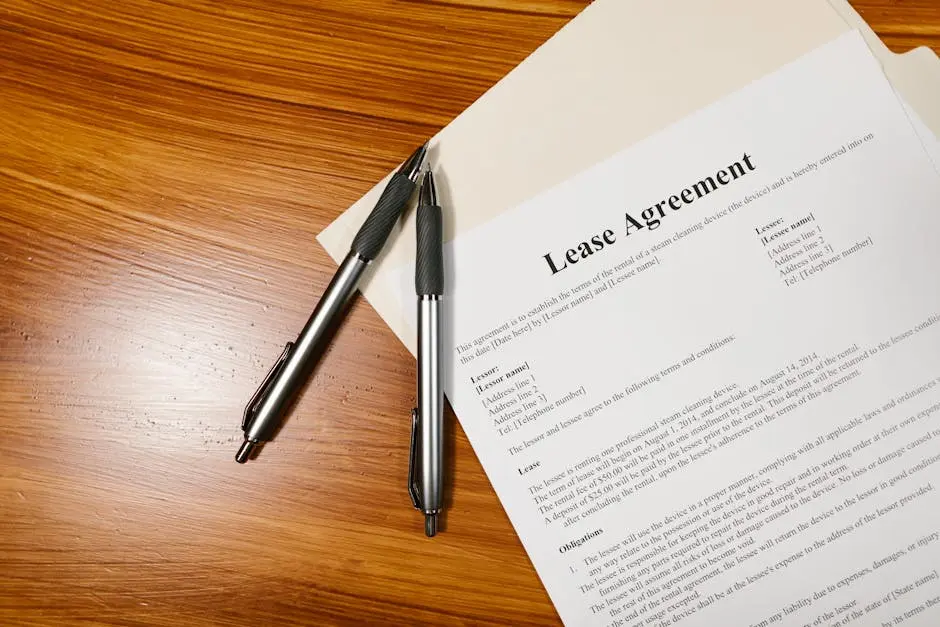
Signing a residential lease can be daunting, especially if it’s your first time. While it’s easy to get swept up in the excitement of a new home, taking a moment to understand the common pitfalls can save you a lot of trouble down the line. This guide will help you navigate the process and avoid some critical errors during your lease signing.
1. Neglecting to Read the Fine Print
One of the most common mistakes is skipping over the fine print in your lease agreement. This section often contains vital information about your rights and obligations as a tenant. It’s easy to brush past this legal jargon, especially when you’re eager to sign and move in. However, doing so can lead to unexpected surprises later on. Take a moment to really digest this information; understanding clauses related to termination, renewal options, and penalties can save you from headaches.
Additionally, pay close attention to any fees that might be lurking in the fine print. Hidden charges for maintenance, late rent payments, or even early termination can come back to haunt you. It’s always best to clarify any confusing terms with your landlord before signing. In doing so, you arm yourself with the knowledge necessary to make an informed decision, ensuring you won’t get caught off guard later on.
2. Failing to Understand Lease Terms
Some tenants overlook crucial items such as the length of the lease, renewal terms, and the notice period required for moving out. Ensure you’re fully aware of each component. For instance, a lease term that’s longer than you anticipated can tie you down to a property that no longer fits your needs. On the other hand, short-term leases may lead to instability and inconsistency in your living arrangement.
Understanding the notice period is equally as vital. Some landlords require a full month’s notice before you decide to vacate, while others may offer a more flexible approach. This clarity can save you from expensive consequences or an unplanned scramble for a new place. In short, take the time to comprehend the lease term fully to navigate your housing situation efficiently.
3. Ignoring Rental Application Requirements
Forgeting to prepare necessary documentation—like proof of income or references—can lead to delays or worse, application rejection. Before you even think about signing a lease, ensure you’ve got your financial paperwork in order. Most landlords will want to see documentation supporting your income, but this can also extend to backgrounds checks and rental history.
It might seem minor, but having a solid grasp on what the rental application entails can speed up the entire process. Gather everything ahead of time so you can present yourself as a serious candidate. This preparation not only enhances your chances of landing a lease but also demonstrates your reliability as a tenant, setting a positive tone for your future landlord-tenant relationship.
4. Rushing into Signing
The excitement of a new place can lead to hasty decisions. In the rush to make a move, many tenants sign leases without fully considering the implications. It’s crucial to give yourself some breathing space before putting pen to paper. Reflect on the property, its location, and whether it truly meets your needs. The best decisions are made with a clear and calm mind, not in the heat of excitement.
Taking the extra time to reconsider can help avoid regrettable situations down the line. Perhaps you fall in love with a unit only to realize that the amenities promised are not up to your standards or that the surrounding neighborhood doesn’t resonate with you. So before you leap, evaluate all aspects, ensuring your lease aligns with your lifestyle and expectations.
5. Not Negotiating Terms
Many renters feel they cannot negotiate lease terms, but this is often not the case. Don’t hesitate to discuss changes with your landlord. It’s essential to keep in mind that lease agreements are not set in stone; many landlords are open to adjustments, whether it’s a monthly rent reduction or alterations to policies impacting you.
Negotiation empowers you as a tenant, ensuring your lease better suits your needs. Approach the conversation respectfully but firmly. A little dialogue can go a long way in fostering goodwill and potentially saving you money or ensuring your comfort during your stay.
6. Overlooking Maintenance Responsibilities
Some leases shift maintenance responsibilities to the tenant unexpectedly. Clarify what responsibilities you’ll be taking on before signing. It’s common for landlords to declare that tenants are responsible for minor repairs, landscaping, or even utility-related issues that go beyond the basic scope.
Understanding who handles certain tasks is crucial not just for your financial planning but for setting expectations. If you’re suddenly faced with chores that weren’t mentioned during initial discussions, it can lead to frustration and disputes. Knowing your obligations ahead of time can help you weigh the responsibilities comfortably.
7. Assuming Everything is Included
Assuming utilities are covered can be a costly oversight. Make sure to clarify what is included in your lease price. Many new tenants forget to ask about whether water, electricity, or even internet costs are part of the rental fee. These additional charges can significantly impact your budget.
Always request a breakdown of what expenses you’re responsible for outside of rent. This ensures you’re not left surprised by high bills or unexpected financial burdens once you move in. Addressing this upfront will lead to a smoother transition into your new home.
8. Ignoring the Pet Policy
If you have pets or plan to get one, ensure you understand the pet policy that might include extra fees, deposits, or specific restrictions. Too many tenants neglect to inquire about whether their furry friends are welcome—which can lead to heartbreak. Some properties are pet-friendly while others are not; failing to recognize these guidelines can lead to significant issues later.
Knowing the pet policy in advance helps you plan accordingly. If your new home has restrictions or fees, it’s wise to think about alternatives, whether that means budgeting for additional costs or finding a different accommodation that’s more suitable for you and your furry friend.
9. Not Documenting Property Condition
Failing to note the condition of the property upon move-in can lead to disputes about damages when you move out. Document everything! Taking photos and notes of any existing damages, like scratches on the walls or stains on the carpet, can protect you from being held accountable for issues that were there before you arrived.
This documentation ensures that you have a record should disagreements arise upon moving out. Plus, informing your landlord in writing of any issues promptly can help establish a clear communication channel from the start. Remember, a little effort at the beginning can help prevent substantial hassle at the end of your lease!
10. Neglecting to Know Your Rights
Many renters are unaware of their rights regarding security deposits, eviction processes, and habitability issues. Familiarize yourself with local tenant laws. Knowing your rights not only empowers you but provides peace of mind as you navigate your rental experience.
Understanding your rights when it comes to repairs and your landlord’s responsibilities is essential. Most states have laws that protect tenants from abuses, so knowing these laws can safeguard against potential conflicts. Arm yourself with information, and don’t hesitate to advocate for yourself; knowing your rights can make a world of difference in your comfort and satisfaction in your new home.

Managing a home in Melbourne can be both rewarding and challenging. With its unique property market and diverse lifestyles, homeowners often need to adopt creative strategies to ensure their homes are functional, efficient, and enjoyable. Here are 10 surprising tips that can transform your home management approach.

Embrace the Local Community Resources
Melbourne is filled with community resources that can assist homeowners, from local workshops to gardening clubs. Engaging with your community can provide support, advice, and even material resources for home management.
Additionally, local councils often host events that focus on home improvement and sustainability. By participating in these activities, property owners can learn invaluable skills while connecting with neighbors. For instance, learning about waste recycling or water-saving tips can empower you to manage your home more sustainably.
Beyond workshops, don’t overlook local markets. They often showcase regional products and crafts that can enhance your home’s decor and functionality. Incorporating locally-made furniture or artisanal home goods not only supports Melbourne’s economy but also adds unique charm to your space.
Utilize Smart Technology for Time Management
Incorporating smart home devices can streamline your daily tasks. From automated lighting to smart thermostats, these devices can help you manage your home more efficiently and save on energy costs.
One impactful application of smart technology is in energy management. Devices like smart plugs allow you to control appliances remotely, ensuring that lights or devices don’t waste energy when not in use. Scheduling fixes through your smartphone can be a game-changer. Picture sitting on the couch while the heater warms your home automatically just before you arrive.
Moreover, smart home technologies often come with features that encourage better habits. For instance, smart irrigation systems can help you maintain the garden by adjusting watering schedules based on weather forecasts, which is particularly beneficial during Melbourne’s variable climate. These tools not only promote efficiency but also empower homeowners to make eco-friendly choices.
Adopt a Minimalist Approach to Declutter Effectively
A minimalist approach can be surprisingly effective in home management. Regularly decluttering your spaces not only enhances your home’s aesthetic but also reduces stress and makes cleaning easier.
Consider this: every item in your home carries energy and emotional weight. By shedding excess belongings, you can create a more serene environment. Embrace the philosophy of quality over quantity. This journey not only simplifies your living space but also encourages intentional purchasing. Ask yourself if each item truly brings joy and utility to your life.
Implementing a decluttering routine can also be done seasonally or annually, preventing buildup over time. For instance, schedule a ‘spring clean’ to tackle hidden corners such as closets or attics. Remember, decluttering isn’t just about removing items; it’s also an opportunity to rediscover and appreciate what you own, ensuring your possessions align with your current lifestyle.
Create a Seasonal Maintenance Schedule
Having a seasonal maintenance schedule can help you stay on top of necessary home repairs and updates. By planning tasks according to the seasons, you can prevent larger issues from developing later on.
Start by listing out tasks for each season. For example, spring is ideal for gutter cleaning and window washing, while autumn is perfect for servicing heaters and preparing your outdoor spaces for winter. This proactive approach not only keeps your home in tip-top shape but also helps you avoid the stress of last-minute repairs.
Moreover, seasonal maintenance can include audits of your home’s efficiency. By inspecting insulation or checking smoke alarms, you ensure your home is not only comfortable but also safe. This systematic method allows you to divide tasks into manageable segments throughout the year, creating a sense of accomplishment with each completed project.
Invest in Multi-Functional Furniture
Multi-functional furniture can significantly optimize space in a Melbourne home, especially in small apartments. Look for pieces that serve multiple purposes, such as storage ottomans or convertible sofas.
In a city where space is often at a premium, innovative furniture design can make a remarkable difference. Think creatively about how furniture can have double duty. A fold-out desk can transform a nook into a home office, while a bench with storage can serve both as seating and an organizational space for shoes and bags.
Furthermore, investing in versatile furniture pieces means you’ll have less to buy and store. This ultimately contributes to your minimalist approach, allowing for a cleaner, more organized environment. With Melbourne’s chic design landscape, there are countless stylish options available that can keep your home functional without compromising on style.
Understand Your Local Council Regulations
Familiarizing yourself with local council regulations can save you time and money. Understanding what renovations or modifications are permissible can prevent costly mistakes.
Research local zoning laws and building codes to ensure any renovation project complies with regulations. For instance, some areas in Melbourne have strict guidelines about land use or property alterations, especially in heritage zones. By being informed before you start planning any changes, you avoid unnecessary headaches and fines.
Moreover, attending council meetings or workshops can provide insights into upcoming changes that could impact property owners. This proactive engagement not only keeps you informed but also connects you with other homeowners facing similar challenges, fostering a collaborative spirit within the community.
Cultivate a Home Maintenance DIY Mindset
Learning basic DIY skills can benefit every homeowner. From simple repairs to maintenance tasks, having a DIY mindset may save you money and enhance your confidence in managing your property.
Start with small projects, such as painting a room or fixing leaky faucets. As you grow in confidence, tackle larger initiatives like landscaping or tiling. Numerous online resources and workshops can arm you with the knowledge and skills necessary for these tasks, ensuring you’re never short of guidance.
Not only does DIY save money, but it also fosters a deeper connection with your home. Every repair and renovation becomes a personal achievement. Plus, the sense of pride that comes from improving your space with your own hands can be incredibly rewarding, transforming your house into a true home.
Network with Other Property Owners
Networking with other property owners can provide invaluable insights and support. Join local online forums or social media groups to share tips and experiences.
Connecting with like-minded individuals in your area can lead to fruitful conversations about home management strategies. Sharing experiences of renovations, maintenance hacks, or even reliable local contractors can save you time and effort when navigating home ownership challenges.
Attending neighborhood functions or property workshops also provides opportunities to meet other homeowners face-to-face. By building this support network, you can exchange resources and advice, helping each other avoid common pitfalls and celebrate successes in home management.
Keep an Organized Home Management Binder
Maintain a home management binder filled with important documents like warranties, service contacts, and maintenance logs. This can help you keep track of your home’s history and make management easier.
Organizing your home management materials doesn’t have to feel overwhelming. Start small; categorize documents by type—repairs, warranties, utility information—and keep them in a dedicated section of your binder. This way, when you need to reference a warranty for a repair, it’s right at your fingertips.
Your binder can also include a schedule for upcoming maintenance tasks. Visual reminders and checklists streamline your home management practices, ensuring nothing falls through the cracks. An organized binder becomes a go-to resource, providing clarity and control over your property’s upkeep.
Incorporate Indoor Plants for Aesthetics and Air Quality
Indoor plants can enhance both the aesthetics and air quality of your home. Choose plants that thrive indoors and integrate them into your home management plan to foster a healthier living space.
Selecting the right plants can transform your home into a vibrant ecosystem. Consider varieties that are easy to care for yet visually stunning, such as snake plants or peace lilies. These plants not only uplift your space but also purify the air, contributing to a healthier environment.
Furthermore, incorporating plants can encourage mindfulness and responsibility. Caring for indoor greenery offers a calming routine and can boost overall moods. Thus, as you embrace home management practices, enhancing your living space with plants serves dual purposes: beautifying your home and nurturing your well-being.
Final Thoughts on Home Management
Implementing these home management tips can not only simplify your life as a property owner in Melbourne but also enhance your living experience. From utilizing local resources to creating a maintenance schedule, these strategies will help you stay organized and proactive in maintaining your home.


The world of real estate is highly rewarding for those with the know-how, however, for a first-time seller, it is a whole different story. Selling your home in Australia for the first time may turn out to be the most overwhelming and stressful experience if you have no idea how it works. Here are ten tips for the first-time seller to help you successfully sell your home stress-free.

Timing
I understand you may want to sell your property as soon as possible, but timing is crucial. If you do not sell at the right time, you may not realise the properties full potential. You will need to do a little digging to see the prevailing trends in real estate. Holding off on putting the property on the market for a couple of weeks as you wait for the right time won’t be as bad as having to sell at a price that does not meet your expectations. Periods which may not be the best time to market your property include holiday periods such as the months of December & January and long weekends. The property market is driven by supply and demand, and it is best to list your property when demand is high, and supply is low. You’ll need to do your own research on the property market in your local area. When the market conditions are right for sale, then go ahead and list your property for sale.

Pricing
A common misconception is that it is more beneficial to price the property well above the market value and negotiate down to ensure market value is achieved. This method of sale generally backfires, as it deters potential purchasers from even considering the property as they believe the property is overpriced. This is especially the case in a buyers’ market when there is a lot of property for sale. A more rewarding strategy is to ensure the property is priced at a level that attracts multiple interested parties, which will create a multiple offer situation that will drive the price beyond expectations.
If you are unsure about the current market value of your property, you should engage either a valuer or trusted Northcote real estate agent to assist you. Your council rates notice will also give you a free, approximate indication, however, I wouldn’t rely too heavily on this.

Home Improvement
Preparing your home for sale is a great way to attract potential buyers and also increase the property’s value. You don’t want a potential buyer to find any structure or cosmetic damage. There are two tricks that will ensure your home sparkles like a new one: cleaning and repairs.
It is time to thoroughly clean the house inside out. It needs putting in the work from floors, walls, curtains, cabinets, closets, kitchens, bathrooms to the ceiling. I am not suggesting a full renovation, but make sure everything is presentable. You can replace the curtains with affordable new ones. Painting the walls is also a good way to give the house a new look. Most purchasers will pay a premium for a property that is ready to move in, so ensure you make the most of this.
Repairs will go a long way in making the sale easier and more rewarding. Undertake the repair of leaking faucets, door handles, closet doors, cabinets and any other part of the house that needs repairing. Anything that is left unrepaired will impact negatively on the value of your house. Remember not to spend too much on repairs and cleaning that you run into a loss when you finally sell the home. Keep the budget under control.
The exterior makes the first impression of your home. Regardless of how good the inside looks, if the outside is not appealing, most buyers will be disinterested. You need to prepare the exterior to present so well that the buyer makes up their mind to buy it as soon as they land their eyes on it. The exterior ranges from the landscaping to the walls and roof.
Plant some shrubs and colourful flowers. Make the front yard highly appealing with the right landscaping. Paint the walls with the right colours and have the entryway look welcoming. Experts reveal that a house that looks good from the outside sells faster and at a higher price than an average looking exterior.
You can add a couple of accessories to your exterior like a bench, flower vases with fresh flowers, a patio and anything else that will bring the exterior to life. Remember to stay within your budget even as you do these improvements to your home.

Property Presentation
You will need to remove clutter from the house. Make it look as clean and as spacious as possible. Most real estate experts call this cleaning process ‘depersonalising’.
Staging the property with furniture is a great way to present it at its full potential as most buyers do not have the vision to project what property may look like furnished. The stylist who elects the furniture will be able to match the right colours/styles dependant on the properties characteristics and will select the right size furniture to ensure it is presented immaculately. Lighting is also a key factor in ensuring the property is well presented, and it could be worth investing in better bulbs and lampshades should your property lack the appropriate lighting.

Right Professional
As I mentioned earlier, the world of real estate is challenging to the inexperienced seller. You may, therefore, need to get the help of an experienced, trained and licensed real estate professional to help you get the best out of your home sale.
Professional real estate agents do a lot of market research and therefore understand what pricing and marketing will work best in your neighbourhood. They also know the regulations and zoning pertaining to a real estate that you may not understand. If you select one who is tech-savvy, even better. With the rise of digital marketing, some agents are marketing property extremely effectively compared to others. The agent will help you throughout the entire process including contract negotiations. You can count on them to make the entire process smooth and seamless.
When selecting the right agent, don’t just consider selling fees. Ensure they understand the market well, have a previous track record of excellent results, have a multi-faced marketing approach, and are easy to deal with. Communication plays a big role. If you don’t feel comfortable, select someone else.

Online Presence
As opposed to the past, more and more buyers now search online for the homes they want to buy. It allows them to have all the details and virtually tour your home from anywhere in the world. They are able to compare multiple homes and when they finally show up at your doorstep, they have almost made up their minds. You need to capitalize on this opportunity.
Have as much detail of your home as possible online including the price, address, great quality images of the interior/exterior, a video of the property, as well as the size of the land (if applicable), how many beds/baths/car spots, and any other important features. Now that you have done renovations, also mention them in your listing.
Putting it online makes it visible to many buyers who may start “driving by” from the very first day you put it up. Therefore, ensure it is “show ready”.

Cost of Selling Your Home
There are costs that you will incur while selling your house. Ensure your account for costs associated with paying off your loan, conveyancer costs, taxes and other costs specific to your region. Addressing these costs early enough will make the entire process smooth.
If you hired a professional agent, they will let you know the costs associated with selling your property through them. This is generally split into two sections, a marketing fee, and a selling fee. In most cases, the marketing fee will have to be paid to the agent regardless of whether the property sells, as this is a cost they incur to market your property. This fee should cover expenses such as photos, video, signboard & online marketing to name a few.

Where Next
Even as you are immersed in ensuring your house sells, you need to know where you are moving to next. Will you be buying another home or will you be renting? A solid plan will help you smoothly go through the transition. If a buyer showed up and said they are ready to buy it as long as they move in within 30 days, will you be ready? You need to know where next you are moving. If you decide to build a new home in Victoria, it’s important to remember that a 6 star energy rating is obligatory for homes from first May 2012.
This may be the same. Therefore, ensure you have everything organised and ready. If buying a new home after selling your former one, you will need to start hunting for one early enough. It will allow your moving to be smooth and less disturbing to you and your family.

Patience
Whilst selling a house may be a personal and emotional process, you must also consider it for what it is, a business transaction. You will have to put up with strangers checking out your home. One purchaser may inspect the property 3-4 times and not proceed with purchasing. In some cases, the house may not sell as fast as anticipated. If things don’t progress as smoothly as anticipated, it’s okay, you will need to understand and not get frustrated. Consider the feedback from the agent. If the property hasn’t sold within 5-6 weeks, it is generally due to a lack of marketing from the agent, or your expectation on price does not match the markets. If you have had a lot of traffic online & at open for inspections, it may be later, however, if there hasn’t been much traction at all, it may be time to consider appointing another agent. Remember that in doing so, you will incur another set of marketing fees, so choose wisely from the start.

Be Willing to Negotiate
When offers start coming in, remember to be flexible. If your situation allows you to, offer a slightly longer settlement, or a slightly smaller deposit. Ensure you & the real estate agent understand the position of the buyer, and are able to get the deal you want by also accommodating them. Sometimes your first offer is your best offer, so remember to not neglect any interested parties. The best deals are the ones that have both sides feeling victorious.
Conclusion
Selling a home can be a smooth and fruitful process if you know how the real estate world operates. The above ten tips for first-time sellers will enable you to sell like an expert. Whether doing it on your own or getting a professional to help you with the process, the above basics will enable you to get the best out of the sale. Which tip do you think is the most important?
Other selling-related blogs:




In the world of real estate, making informed leasing decisions is crucial for both landlords and tenants. With thorough insights offered by rental reports, both parties can navigate the leasing landscape with confidence. Let’s explore the benefits of utilizing rental reports to ensure that your leasing choices are smart and advantageous.

1. Gain Insights into Market Trends
Understanding rental trends in your area helps you stay ahead of the game. Rental reports provide a wealth of data that not only highlights current prices but also indicates which neighborhoods are on the rise. By carefully analyzing these trends, landlords can make decisions that are both timely and advantageous, while tenants can find opportunities that align with their budget and preferences. Staying informed gives you a strategic edge, whether you are negotiating lease terms or deciding on rental investments. A proactive approach to market trends is wise, ensuring that you are always a step ahead.
Knowing when to adjust your rental rates based on these insights can significantly influence your revenue. For instance, if rental reports indicate a surge in demand in your area due to new amenities or developments, it may be the perfect time to consider a rate increase. Conversely, if the data shows a downturn, you will be better equipped to evaluate your pricing strategy and avoid costly vacancies. Staying attuned to market dynamics is not just smart; it’s essential for successful leasing.
2. Evaluate Property Value Accurately
Rental reports provide crucial data that allows you to assess the value of your property effectively. Property valuations are often tricky, and it’s easy to let emotions cloud your judgment, especially if you’ve invested a lot in renovations. Rental reports can offer an objective lens through which to view your property’s worth by comparing it against similar properties in your area. Understanding these valuations not only helps in setting competitive prices but also gives you insight into potential sale opportunities.
In addition, data about amenities and conditions of comparable units can highlight specific features that add value. Knowing what tenants are willing to pay for specific upgrades or services can directly influence future investments in your property. For landlords, this kind of information allows for strategic enhancements that can significantly increase overall profitability.
3. Strategize Your Rental Pricing
With clear insights on competitive pricing, you can set your rentals for optimal occupancy. Rental reports typically include average pricing structures, which can inform your decisions around how much to charge, ensuring that you remain attractive to prospective tenants while maximizing your income potential. Nothing is worse than having a property sit empty due to pricing that doesn’t reflect the market or value offered.
Furthermore, understanding seasonal pricing trends can help landlords adjust their rates accordingly. Whether it’s implementing short-term pricing strategies during peak rental seasons or providing discounts during slower months, having this information can be crucial in maintaining occupancy rates year-round. Tenants, too, benefit from transparent pricing derived from justified market analyses, empowering them to make choices based on what is fair and informed.
4. Identify Target Tenant Demographics
Knowing who your potential tenants are enhances your marketing efforts significantly. Rental reports can provide insights into the demographics of individuals looking in your area, such as age, income levels, and lifestyle preferences. By understanding these factors, landlords can tailor their marketing strategies to appeal specifically to these groups, thereby increasing the chances of securing tenants who are more likely to take up residence.
For landlords, this means crafting targeted advertising campaigns that resonate with the needs and wants of prospective tenants. Whether it’s highlighting family-friendly features for parents or amenities focused on young professionals, knowing your audience is half the battle. By channeling the right messages to the right audiences, landlords can effectively enhance demand for their properties.
5. Mitigate Risks with Accurate Data
Rental reports help you understand potential risks involved with lease terms and tenant backgrounds. Accurate data on tenant histories can reveal trends that might indicate problematic behavior, which can be invaluable during the tenant screening process. Not only can it save you from future headaches, but it also helps in maintaining a positive living environment for other tenants.
Furthermore, rental reports can shed light on local crime rates, school ratings, and other safety measures that impact both your tenants and your property’s value. Preparing for these potential risks allows landlords to take proactive measures instead of reactive ones. From increasing security measures to choosing properties in safer neighborhoods, being informed is your first line of defense against property risks.
6. Enhance Negotiating Power
Armed with data, you can negotiate better terms and conditions for your leases. When you enter into a negotiation with solid information from rental reports, you demonstrate credibility and preparedness, which can significantly sway discussions in your favor. Whether it’s negotiating tenant lease terms or understanding market rental increases, data provides a foundation for persuasive arguments that can yield favorable outcomes.
Additionally, presenting this data to potential investors or partners can reinforce your position as a knowledgeable player in the real estate market. This not only enhances your reputation but also establishes trust, leading to better collaboration opportunities in future dealings.
7. Understand Local Competition
Insight into what other landlords are offering helps position your property more favorably. Understanding local competition is key in a saturated market, as it can differentiate your property. Rental reports often provide information about competitor rates, amenities, and occupancy levels, enabling landlords to make adjustments that attract more tenants.
Knowing your competition allows you to create unique selling points for your rental, whether that’s superior maintenance services, attractive amenities, or community activities. This not only enhances your placement in the market but also establishes your property as the go-to choice amidst competing options.
8. Streamline Decision-Making Processes
Rental reports simplify complex information, allowing for quicker decision making. In the fast-paced world of real estate, getting bogged down in details can cost time and money. These reports distill relevant metrics into actionable insights, making it easier for both landlords and tenants to arrive at judicious decisions. Instead of wading through piles of data, stakeholders can focus on the critical elements that will drive their success.
This streamlined approach not only saves time but also lessens the emotional burden of decision-making. With clear data at hand, it’s easier to rely on facts rather than gut feelings. This empowered decision-making stance fosters confidence—whether you’re finalizing lease terms or determining the best time to invest further.
9. Stay Informed About Economic Changes
Being aware of economic indicators that affect the rental market keeps you prepared for changes. Rental reports frequently contain assessments of how broader economic shifts—like unemployment rates, local developments, or housing market trends—can impact rental demands. Understanding these dynamics ensures you can adjust your strategies, either by increasing or decreasing rental rates or even adapting property features.
Furthermore, tenants also benefit from understanding these economic factors as they influence affordability and availability. By being well-informed, both landlords and tenants can navigate shifts in the market with a strategic mindset, making decisions that suit their financial capabilities.
10. Predict Future Rental Trends
Historical rental reports can help forecast future trends, allowing for proactive strategies. By studying past rental data, landlords can make educated assumptions about the direction in which the market is headed. If patterns reveal a steady increase in rental prices, for example, landlords can plan for renovations or marketing strategies to maximize returns before the trend peaks.
Similarly, tenants benefit from these insights, as predictions in rental price changes can empower them to make timely decisions about securing leases. By understanding long-term trends, both sides can prepare strategically, paving the way for mutually advantageous leases.
11. Expand Your Investment Portfolio Effectively
Understanding market data empowers you to make informed decisions on property investments. Rental reports reveal areas with high growth potential and optimal returns on investment, allowing landlords to make strategic decisions on where to direct their resources. With such data, it’s possible to expand portfolios intelligently rather than blindly chasing properties.
Furthermore, informed investment decisions can lead to higher yields, subsequently bolstered by rental reports that indicate whether a property’s location is likely to remain desirable. For landlords looking to diversify their holdings or venture into new markets, having this data is invaluable.
12. Cultivate Better Landlord-Tenant Relationships
Transparency in rental processes fosters trust and long-term relationships with tenants. Regularly sharing insights from rental reports with tenants shows good faith and encourages open dialogue around leasing terms. Transparent practices make tenants feel valued and respected, ultimately enhancing the likelihood of renewals and positive referrals.
Moreover, fostering good relationships with tenants can lead to fewer disputes and an overall harmonious living environment, benefiting all parties involved. Utilizing rental reports to communicate expectations and outline norms lays a strong foundation for collaborations grounded in trust and mutual benefit.

Renting a home can be both exciting and overwhelming, especially in a bustling city like Melbourne. With its vibrant culture and diverse neighborhoods, it’s easy to get caught up in the excitement and overlook essential details. This guide highlights common mistakes renters make to help you navigate the rental market confidently and find your ideal home without unnecessary stress.

1. Skipping the Research Phase
Many renters jump into the process without researching neighborhoods or comparing rental prices, which can lead to regrets later. Before you start visiting homes, take a moment to understand what each neighborhood has to offer. From cafes and shops to public transport options, your location can dramatically impact your daily life.
Consider creating a checklist of your priorities. Think about what amenities are essential for you—perhaps proximity to parks or schools. This not only helps narrow down your options but also ensures you don’t settle for less than what you deserve.
2. Neglecting to Inspect the Property
Failing to visit and inspect a rental property can result in unpleasant surprises after moving in, such as maintenance issues or hidden damages. Always schedule a viewing and take the time to carefully examine each room. Open windows, check for water stains, and inspect appliances to avoid nasty surprises later.
Feel free to bring along a trusted friend or family member. Sometimes, a fresh pair of eyes can catch things you might overlook. Remember, this is your potential home, so don’t shy away from asking questions and demanding clarity from the landlord.
3. Overlooking Additional Costs
Rent isn’t the only expense you need to consider. Be sure to account for utilities, maintenance fees, and other costs that could impact your budget. When evaluating rental prices, remember to consider whether water, gas, or electricity is included. An appealing price might not be a bargain when you factor in what you’ll truly be paying each month.
Having a clear understanding of your budget is crucial. Make a list of all potential expenses and don’t forget to set aside some funds for unexpected costs. Always err on the side of caution to ensure you remain financially comfortable in your new home.
4. Ignoring the Lease Agreement Details
Many tenants skim through the lease agreement, missing important terms like deposit requirements, pet policies, or lease-breaking fees. It’s essential to thoroughly read this document and ensure you fully understand each section. Ignorance could lead to conflicts or financial burdens down the line.
Don’t hesitate to ask your landlord for clarification on any terms that seem unclear. A trustworthy landlord will appreciate your diligence and be willing to explain the details. A lease is more than just a formality; it outlines the terms of your future living arrangements.
5. Failing to Communicate with the Landlord
Effective communication is key in any rental situation. Failing to discuss expectations or concerns with your landlord can lead to misunderstandings. Make it a point to establish a good line of communication from the start. Always clarify your lease terms and don’t be afraid to voice any concerns you may have.
Regular check-ins with your landlord can ease tensions and foster a more cooperative living arrangement. Whether it’s about maintenance requests or general inquiries, remember, a good relationship with your landlord can make your renting experience much more enjoyable.
6. Not Verifying the Rental’s Legal Status
It’s crucial to ensure that the rental properties are compliant with local regulations. Renting from an unlicensed or illegal setup can cause major issues. Before committing, research whether the property is legally registered and fits all safety standards.
You might even consider reaching out to local tenant advocacy groups for guidance. They can provide valuable information that can help you avoid potential rental nightmares.
7. Underestimating the Importance of Location
Choosing a property without considering its proximity to work, schools, and amenities can lead to frustrating daily commutes. We often forget how crucial it is to have convenient access to public transport or major roads.
Before making a final decision, take a test drive or walk the route during rush hour to see what your daily commute would actually feel like. You’ll thank yourself later for choosing wisely.
8. Being Unprepared for Tenant Inspections
Many renters are unaware that landlords may conduct inspections periodically. Being unprepared can make a bad impression. Before any scheduled inspection, ensure your space looks its best, as it reflects your respect for the property.
Consider developing a regular cleaning and organizing routine. Not only will this ease the burden when inspections are announced, but it will also make your home a nicer place to live.
9. Not Asking About Maintenance Procedures
Understanding how maintenance requests are handled is crucial. Not knowing who to contact or how long repairs might take can create unnecessary stress. Before moving in, clarify the procedure for reporting issues and get to know the maintenance staff if applicable.
Additionally, don’t assume that your landlord will be available at all times. Make sure to note their contact numbers and know the best times to reach them for quick resolutions.
10. Disregarding Neighbors and Community Vibe
The atmosphere of your neighborhood can greatly affect your living experience. Don’t forget to check in on the community and neighbors. Pop into nearby cafes or parks to get a feel for the local environment before signing a lease.
Sometimes, chatting with potential neighbors can provide invaluable insights into what living in that area is truly like. You’d be surprised what you can learn!
11. Failing to Take Photos at Move-In
Documenting the property’s condition upon move-in can protect you when it’s time to move out, preventing disputes over security deposits. Take clear photos of each room and any existing damages or wear and tear.
This simple act can save you a lot of trouble later, especially if your landlord questions the state of the property after you move out. Always better to be safe than sorry!
12. Being Impulsive in Your Decision
Rushing to sign a lease can lead to choosing a property that doesn’t meet your needs. Take your time to evaluate your options. Remember, this is a long-term decision. Failing to give yourself sufficient time can mean settling for a home that might not be the best fit for you.
Consider creating a pros and cons list for each option you explore. A little patience can lead to finding a place you love. Your future self will thank you for it.

Buying your first home can be both exciting and overwhelming. This guide will walk you through essential steps to ensure a smooth journey as a first-time real estate buyer in Melbourne. From understanding the market to sealing the deal, we’ve got you covered!

1. Understanding the Melbourne Real Estate Market
Get a grasp on current trends, average prices, and neighborhoods that suit your lifestyle. Melbourne’s real estate market can be dynamic, with various factors influencing property values, making it essential for first-time buyers to stay informed. Research online resources, attend local seminars, and connect with experts to gain insights. Don’t hesitate to ask questions—understanding the nuances of the market can significantly affect your purchase decision.
Keep an eye on emerging suburbs that show promise for future appreciation. These areas often provide more affordable options for new buyers while still offering good amenities and transport links. It’s equally important to comprehend the seasonal trends; many buyers flock to the market in spring. Timing your search wisely can potentially lead to finding better deals.
2. Setting Your Budget
Determine how much you can afford by considering your savings, income, and potential mortgage options. Assessing your financial statement is a crucial step in ensuring a stress-free buying process. Consider all potential expenses, including stamp duty, inspections, and moving costs, not just your mortgage repayments. It’s vital to have a realistic budget that accommodates your lifestyle and future plans.
Budgeting should also include the cost of home ownership. Utilities, council rates, and maintenance won’t be included in the mortgage, but they can add up quickly. Keeping this in mind, some buyers find it helpful to create a detailed worksheet that lists all expenses related to their potential new home. This practice leads to better financial clarity and prevents overspending.
3. Getting Pre-Approved for a Mortgage
Securing pre-approval gives you a clear idea of your borrowing capacity, enhancing your credibility with sellers. This can set you apart in a competitive market, especially in Melbourne, where demand often outstrips supply. With a pre-approval letter from a bank, you’ll not only know your maximum budget but will also have more negotiating power and a greater sense of confidence in your search.
During the pre-approval process, lenders will assess your finances, including your income, credit score, and debts. Be prepared to submit a variety of documents, like pay slips and tax returns. Once approved, keep in mind that this doesn’t guarantee a final loan; it merely provides peace of mind that your finances are in order. Maintain your financial stability during this period to avoid complications.
4. Choosing the Right Location
Research neighborhoods based on amenities, schools, transport links, and community vibe. Melbourne is known for its vibrant suburbs, each with its unique charm. Make a list of what you value most—perhaps proximity to work, parks, or a vibrant nightlife. Exploring various areas helps not just in finding the right home but in ensuring you enjoy your new environment.
Take time to visit different suburbs at various times of the day to gauge the neighborhood’s liveliness. Engaging with locals and visiting local cafes or markets can give you insight into the community. Also consider future developments in the area. These can drastically impact your property’s value, so staying informed before making a final decision is crucial.
5. Engaging a Real Estate Agent
A knowledgeable agent can provide invaluable insight, market knowledge, and negotiation skills for first-time buyers. When interviewing potential agents, prioritize those who specialize in your desired locations and have experience working with first-time buyers. A good agent acts as your ally, steering you away from common pitfalls and guiding you towards sound decisions.
Don’t shy away from discussing your expectations during your first meeting. Clear communication will lay the foundation for a productive partnership. Moreover, a reputable agent will keep you informed throughout the process, ensuring that you’re aware of your options and the latest developments. This relationship can greatly simplify the home-buying experience.
6. House Hunting Strategies
Utilize online listings, open houses, and networking to find properties that fit your needs. In today’s digital age, property searches can begin at the click of a button. Websites often provide filters to sift through options based on your criteria, making it easier to narrow down potential homes. Set up alerts for properties that meet your specifications to be the first to know when a match appears.
However, online browsing should complement physical house visits. Make a checklist of what you want to observe during inspections. Take notes and photos so you can reflect on each property later. Networking with friends or family who have recently purchased can also yield personal recommendations and tips specific to the Melbourne market.
7. Making an Offer
Learn how to craft a competitive offer that reflects the property’s value and your budget. Research similar properties in the area to ensure your offer aligns with market rates. Your real estate agent can help you in determining the right price to offer based on data. Keep in mind that your initial offer may trigger a counter-offer, which is a normal part of the negotiation process.
Make sure to convey your motivations and flexibility, if possible. Sellers often appreciate knowing that their property will go to someone who genuinely connects with it. Presenting a sincere letter along with your offer could enhance your chances of standing out amidst competing bids.
8. Conducting Inspections
Ensure the property is in good condition by having it inspected for potential issues before finalizing your purchase. It’s wise to hire a professional inspector who can identify areas that may require attention, ranging from structural issues to pest infestations. A thorough inspection not only provides peace of mind but can also serve as a negotiation tool should significant issues arise.
Pay close attention to the inspector’s report and don’t hesitate to ask questions. Consider bringing along a family member or friend for a second opinion during the inspection. Understanding more about your potential home can greatly influence whether you decide to proceed with the purchase.
9. Understanding Contracts
Familiarize yourself with key contract terms and conditions to avoid surprises later on. Contracts can be lengthy and filled with legal jargon, so take your time to read through every section. It may be beneficial to enlist the help of a solicitor who can interpret the contract and ensure your rights are protected.
Pay special attention to any clauses that might affect your ability to withdraw from the agreement, such as cooling-off periods. Knowing your rights and obligations before signing on the dotted line is essential in making your home-buying experience smooth and free of unexpected hurdles.
10. Financing and Settlement Process
Get a clear understanding of the financing process and what to expect on settlement day. This step often involves finalizing your loan with your chosen lender, requiring paperwork submission and financial discussions. Ensure you ask your lender about any fees involved that may catch you off guard, because being financially prepared is the best way to navigate this part.
Settlement day marks the official transfer of property ownership. Make sure you understand the tasks required on this day, from transferring the remaining deposit to receiving your keys. The entire process can feel overwhelming, but being organized and informed will help ease any confusion. Keep a checklist handy to ensure you don’t miss any critical steps.
11. Navigating Government Grants and Benefits
Discover the available first-home buyer benefits, grants, and concessions in Victoria. Government initiatives can sometimes significantly reduce your costs, making homeownership more accessible. Familiarize yourself with schemes like the First Home Owner Grant (FHOG) and the First Home Loan Deposit Scheme (FHLDS) which can assist you in getting onto the property ladder.
It’s essential to stay updated as these programs can evolve. Researching online or visiting the official websites can provide current information about eligibility and application processes. Taking advantage of these benefits is a smart step for any first-time buyer looking to save money.
12. Celebrating Your New Home
Congratulations! Learn some fun ways to celebrate your achievement and settle into your new space. Moving into your first home is a monumental milestone that calls for a celebration. Whether it’s a small gathering with friends and family or a cozy night in with a takeaway, find what feels right for you.
Consider hosting a housewarming party to introduce your new home to your friends and family. This not only helps you celebrate your achievement but also allows you to create a community around your new address. Don’t forget to take some time to unpack and make it feel like home—you’ve earned it!

Signing a home rental lease is a big step, and it’s essential to ensure you’re fully informed before committing. To help you navigate this process smoothly, we’ve compiled a list of crucial questions you should ask your landlord or property manager. These questions will empower you to make the right decision and avoid any surprises down the road.

1. What Is the Total Monthly Rent and Are Utilities Included?
Understanding the full cost of living in your potential new home is vital. Ask if the rent includes utilities like water, gas, or electricity to budget accurately.
It’s easy to overlook additional expenses when you’re excited about your new place. To stay financially savvy, consider asking if there are any other fees, like trash removal or internet costs, that might come into play. These factors can significantly influence your overall monthly expenditure.
2. What Is the Lease Duration?
Clarifying the length of the lease can prevent future conflicts. Knowing if it’s a year-long commitment or month-to-month allows you to plan accordingly.
The lease duration can also give you leverage in negotiation—shorter leases might allow flexibility but could lead to higher costs. Discussing this upfront sets a clear expectation both ways, reassuring you that you won’t be tied down longer than desired.
3. What Is the Policy on Deposits and Fees?
Inquire about any deposits required, including pet deposits or cleaning fees. Understanding the return policy of your deposit can save you headaches when moving out.
Additionally, don’t forget to ask if those fees are refundable and under what conditions. Being clear about these practices in advance helps avoid any misunderstandings down the line. An open dialogue will assure you that you won’t lose money unfairly when it’s time to move.
4. Can I Customize or Make Changes to the Space?
Whether it’s painting walls or hanging shelves, knowing what’s permissible helps you create a comfortable living environment that feels like home.
You might adore that bright blue accent wall or a gallery space for your photos, but it’s important to gauge if these changes are acceptable to your landlord. Some property managers have strict rules, while others are more lenient—you’ll want to know which category yours falls into.
5. Are There Any Maintenance Responsibilities?
Understanding which maintenance tasks are your responsibility and which fall to the landlord can help define your role as a tenant and avoid misunderstandings.
For instance, are you responsible for lawn care or snow removal? Clarifying these responsibilities early can ensure that you’re not caught off guard with unexpected upkeep obligations. After all, you want to enjoy your rental, not dread the additional chores that could come with it.
6. What Is the Pet Policy?
If you have pets or plan to adopt, this is crucial. Ask if there are breed restrictions, pet deposits, or monthly pet rent so you can make informed decisions.
Moreover, if you plan to foster or bring home a pet down the line, it’s smart to know if the pet policy allows for that. Being upfront about your pet situation can help create a trusting relationship with your landlord, ensuring that you won’t face any surprises after moving in.
7. What Is the Policy for Breaking the Lease?
Life can be unpredictable, so knowing the terms for breaking a lease can be important for your financial peace of mind. Ask about any penalties involved.
It’s essential to understand that circumstances can change—new job opportunities, family emergencies, or changes in financial situations. Hence, having clear knowledge about the lease-breaking policy will help you feel prepared and secure in your decision-making process.
8. How Are Repairs and Emergencies Handled?
Learning how maintenance requests are processed can give you insight into response times and how to handle emergencies during your tenancy.
Find out how quickly emergency repairs are addressed. Knowing whether to expect a prompt response might affect your comfort level in choosing the rental. You want assurance that if something goes wrong, help is just a call away.
9. Who Is Responsible for Yard Maintenance?
If the rental includes outdoor space, clarify who takes care of landscaping or yard upkeep to avoid any confusion about your responsibilities.
Do you need to mow the lawn, rake leaves, or shovel snow? Understanding these duties is crucial for planning your time. If yard maintenance falls on your shoulders, it plays a significant role in your overall satisfaction with the rental.
10. What Are the Neighbors Like?
Getting a sense of the community can help you feel at home. Ask about the neighbors and the overall atmosphere in the area to gauge compatibility.
Neighbors can greatly influence your experience in a rental property. Understanding the dynamics of the neighborhood and the types of people who live nearby can either heighten your excitement or give you pause. After all, a supportive neighborhood can make all the difference in feeling truly settled.
11. Are There Any Rules About Guests or Subletting?
Understanding policies on visitors and subletting can help you avoid any violations of the lease agreement later on.
Whether you enjoy hosting friends or occasionally need someone to cover your lease while you’re away, knowing the rules beforehand can save you from potential disputes. Building a good relationship with your landlord here can lead to more flexibility over time.
12. When Is Rent Due and How Can It Be Paid?
Clarifying the payment process and timing can ensure you stay on track with your rent obligations and avoid late fees.
Ask whether electronic payments are accepted or if checks are the only option. Knowing when payments are due can also help you organize your financial responsibilities, allowing you to budget efficiently and maintain a good standing throughout your lease.

Navigating the Melbourne property market can be an overwhelming experience, whether you’re a first-time buyer, an investor, or looking to sell your home. The insights from seasoned real estate agents can provide invaluable guidance and clarity. In this blog post, we’ll explore 12 key insights that can help you make informed decisions in Melbourne’s dynamic property landscape.

1. Understanding Market Trends
It’s essential to be aware of what’s currently happening in the Melbourne market. Agents can provide insights into price trends and neighborhood developments to guide your decisions.
Understanding the fluctuations in pricing helps buyers determine the right moment to act, while sellers can gauge how to position their properties effectively. Agents often analyze various data points, including previous sales and economic indicators, to deliver a comprehensive picture of the market.
They will also keep you updated on emerging trends, such as preferences for eco-friendly homes or the increasing demand for suburban properties. By staying tuned to these trends, you can strategize better whether you’re purchasing or selling.
2. The Importance of Location
Location plays a critical role in property value. Real estate agents can highlight up-and-coming neighborhoods and established areas that yield the best investment returns.
A property in a sought-after area can appreciate significantly over a brief period. Thus, agents can paint a detailed picture of neighborhoods, including amenities, schools, and transport options, helping you make that all-important decision. They often know which areas are experiencing revitalization or sustained demand, guiding you toward your ideal investment.
Moreover, understanding the demographic trends in different areas can also help you select the right property. Families may prioritize proximity to schools, while young professionals may value nightlife or proximity to CBD. Your agent’s expertise will illuminate these choices.
3. Setting a Realistic Budget
Getting your finances in check is fundamental. Agents can help ensure your budget is realistic and suggest strategies for qualifying for loans and securing financing.
Real estate agents are adept at breaking down what you can actually afford without stretching yourself too thin. They understand the intricacies of mortgage applications and can aid in walking you through the process, ensuring you’re informed every step of the way.
Additionally, discussing ongoing costs, such as taxes and maintenance, is crucial. Your agent can prepare you for both the initial investment and the long-term financial obligations, ensuring clarity and preventing potential buyer’s remorse.
4. The Power of Staging
First impressions matter. Real estate agents often recommend staging your home to attract more buyers and achieve better offers.
When done correctly, staging highlights the best features of a property, making it more visually appealing. Agents will often advise on strategic placement of furniture and decor, ensuring your home tells a story that resonates with potential buyers.
Moreover, they can also recommend hiring professional stagers who understand the market’s nuances. Even minor adjustments can lead to enhanced perceptions, encouraging buyers to imagine themselves living in the space. In a competitive market like Melbourne, standing out is key.
5. Understanding Buyer Psychology
Knowing what buyers want can significantly affect your selling strategy. Agents can provide insights into buyer preferences and behaviors in Melbourne.
For instance, many buyers today are increasingly attracted to lifestyle features—such as outdoor spaces or energy-efficient designs. Your agent can help you modify your selling approach to appeal to these desires.
It’s not just about the house itself; it’s also about the narrative surrounding it. Agents can help craft stories around your property—its history, the community it resides in, and its potential for future family gatherings—making it more appealing.
6. Effective Marketing Strategies
A good agent will have a solid marketing plan tailored to your property. Learn about online listings, social media, and more to maximize exposure.
In a digital age, having an online presence is non-negotiable. Agents often leverage social media effectively, targeting ads to reach the right demographic interested in your property. Imagine your home showcased on platforms where potential buyers spend their time.
Moreover, high-quality photos and engaging descriptions can make all the difference. Your agent knows how to highlight your property’s unique features, ensuring it stands out among the competition. Marketing isn’t just about visibility; it’s about creating a compelling narrative that resonates with viewers.
7. Timing the Market
Timing can be everything in real estate. Agents can help you understand market cycles and suggest the best times to buy or sell.
Knowing when to enter or exit the market can save you both time and money. Experienced agents meticulously follow historical trends, local events, and economic forecasts to guide their clients toward strategic decisions.
By collaborating with your agent, you can track seasonal patterns, upcoming developments, or even broader economic signals that bear relevance on your buying or selling timeline.
8. Negotiation Tactics
Negotiating is an art. Experienced agents know when to push for a better offer and how to navigate communications between buyers and sellers.
Having a skilled negotiator on your side can be incredibly beneficial. They can advocate for you, ensuring that your interests are prioritized throughout the negotiation process.
Moreover, agents understand the emotional aspects tied to buying or selling a home. They employ a mix of empathy and strategic thinking, enabling them to bridge the gap between parties constructively.
9. Home Inspections and Valuations
A thorough inspection can reveal issues that might affect the sale or purchase. Agents can guide you through this process to ensure you’re making a smart decision.
It’s vital to not overlook the importance of due diligence when it comes to home inspections. Agents will often suggest reputable inspectors who will help identify any major repairs needed, preventing unforeseen expenses down the road.
Additionally, having a clear understanding of your property’s market value enables you to make informed decisions. Agents keep their finger on the pulse of valuations, providing you clarity on fair pricing.
10. Leveraging Technology
In today’s digital age, agents utilize various tech tools for virtual tours and online bidding, enhancing the buying and selling experience.
Virtual tours and high-definition photos can make all the difference in attracting potential buyers who may be unable to view a property in person. Agents utilize cutting-edge technologies to provide immersive experiences, allowing buyers to envision their future home.
11. Networking and Connections
Real estate isn’t just about properties; it’s about people. Agents often have a robust network that can provide additional resources, from lenders to contractors.
A well-connected agent can exponentially increase your chances of a successful sale or purchase. They can tap into their network for referrals or even off-market listings—a treasure trove for discerning buyers.
12. Continuous Learning and Adaptation
The property market is ever-changing. Good agents stay informed about new regulations and market shifts, ensuring they provide the most relevant information.
As new laws or technologies emerge, agents who prioritize ongoing education can better serve their clients. This can include attending workshops, obtaining certifications, or engaging with ongoing training courses.